Eden Berger · 6 October 2026
Microbial Breakdown Processes Leading to Amber Coloration in Small Enclosed Water Bodies
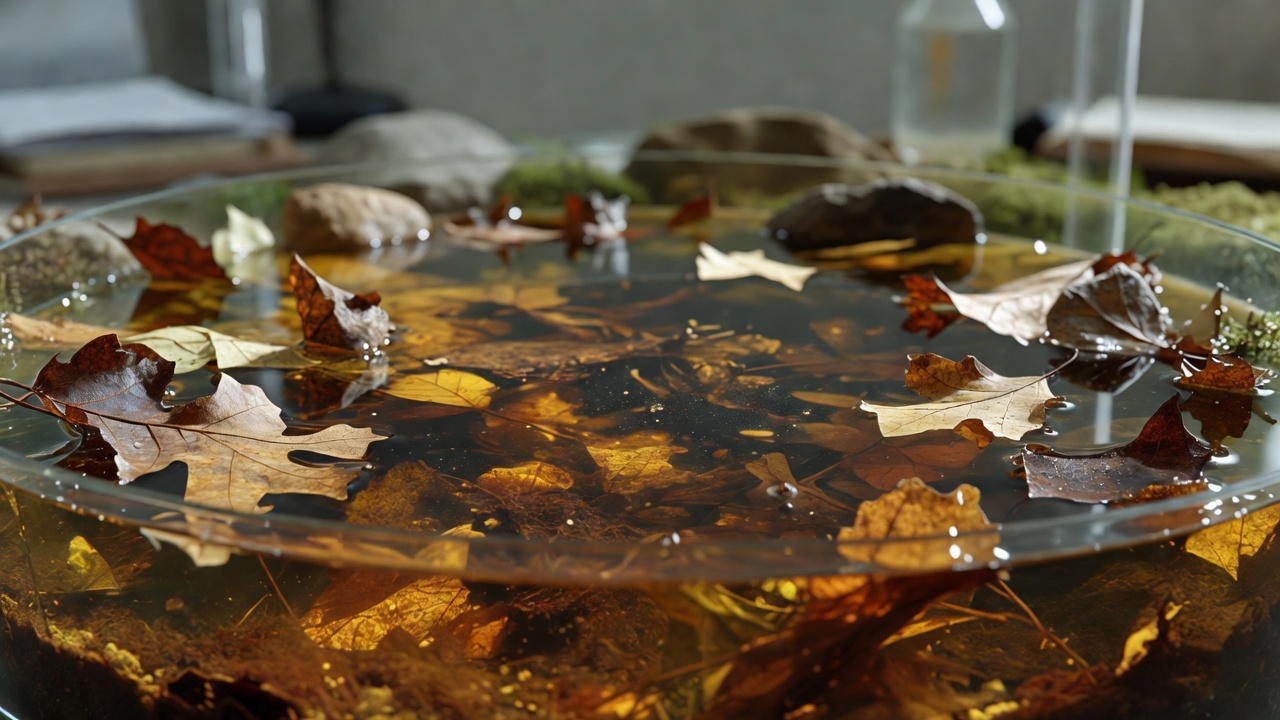
Small enclosed water bodies such as ponds and isolated pools undergo gradual color shifts when bacteria and other microbes decompose accumulated plant material, and this activity releases tannins together with humic acids that absorb light in specific wavelengths and produce the characteristic amber appearance over periods ranging from weeks to months.
The Decomposition Cycle in Enclosed Systems
Bacteria initiate the breakdown of leaf litter and submerged vegetation by secreting enzymes that cleave complex organic polymers into simpler compounds, while fungi and other microorganisms contribute additional degradation steps that liberate phenolic compounds known as tannins along with larger humic molecules, and these substances dissolve into the surrounding water where they remain suspended and alter its optical properties without requiring external inputs from surrounding geology.
Observers note that the process accelerates once oxygen levels drop near the sediment layer because anaerobic bacteria then dominate and continue releasing organic acids even as aerobic species slow their activity, yet the overall tint builds steadily because the released compounds resist rapid further breakdown and accumulate in the limited volume of water typical of enclosed systems.
Chemical Contributions from Tannins and Humic Acids
Tannins originate primarily from plant cell walls and bark fragments, and once liberated they form complexes with proteins and metal ions that darken the water progressively, whereas humic acids arise from the polymerization of smaller phenolic units during microbial metabolism and these larger structures absorb blue and green light more effectively than other wavelengths, resulting in the warm amber tones visible to the naked eye.
Research from the United States Geological Survey indicates that concentrations of these compounds can reach several milligrams per liter within three to four months under moderate temperatures, and data collected across multiple sites show consistent correlations between microbial biomass and color intensity measured by absorbance at 440 nanometers.
Seasonal Patterns and Observations in Late 2026
Leaf fall intensifies in temperate regions during autumn, and by October 2026 many monitoring programs documented accelerated tannin release in small water bodies that had accumulated fresh litter from the preceding weeks, while warmer than average surface temperatures extended microbial activity deeper into the season and produced deeper coloration than recorded in cooler years.
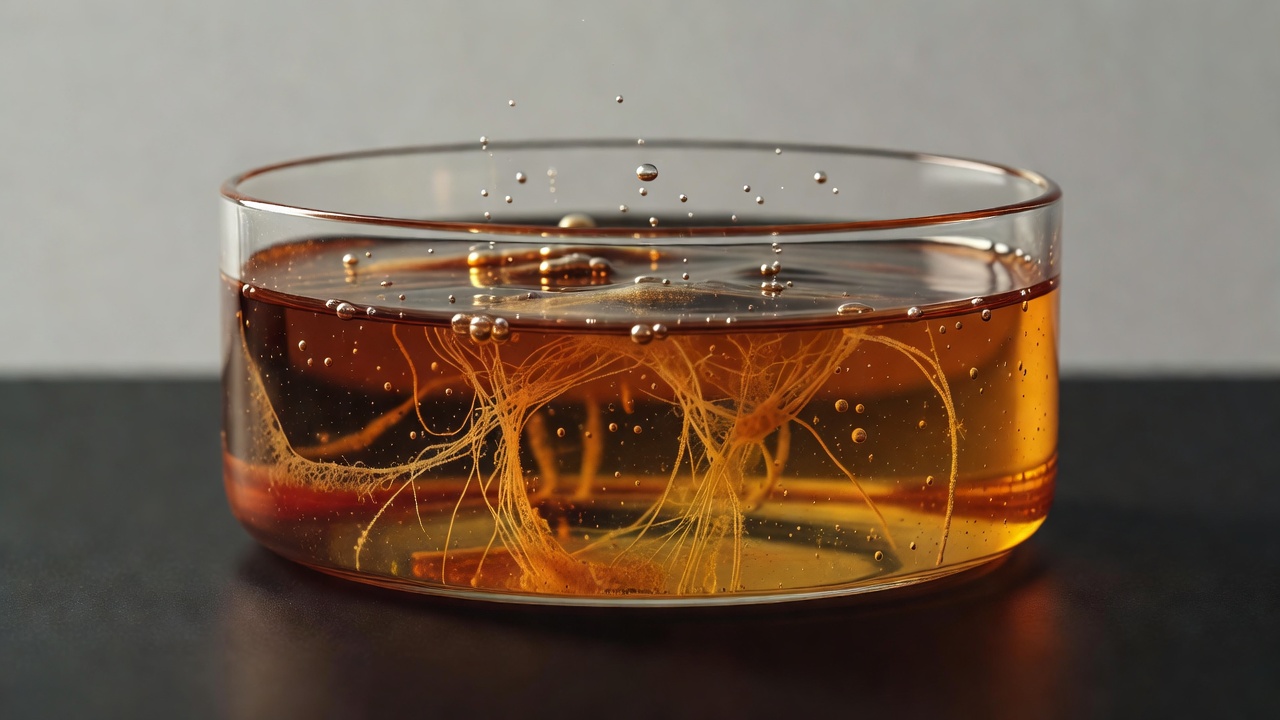
Those who track these systems report that stratification often develops as cooler nights reduce mixing, trapping the colored layer near the bottom until wind events redistribute it, and this pattern repeats annually yet varies in strength according to the quantity and type of litter entering the water each fall.
Environmental Factors Modulating Color Development
Temperature influences bacterial growth rates directly, with optimal ranges between 15 and 25 degrees Celsius supporting faster decomposition and quicker tint accumulation, whereas lower temperatures slow enzyme activity and extend the timeline to visible coloration, and pH conditions between 5.5 and 7.0 favor retention of humic substances because more alkaline waters can precipitate some of the acids as insoluble salts.
Water residence time plays an equally important role because longer retention allows greater buildup of dissolved organics before dilution or outflow occurs, and studies compiled by the European Environment Agency demonstrate that ponds with residence times exceeding 60 days consistently exhibit stronger amber hues than those flushed more frequently by rainfall or groundwater seepage.
Interactions with Aquatic Life and Nutrient Cycling
Microbial decomposition simultaneously recycles nutrients such as nitrogen and phosphorus back into the water column, supporting continued bacterial growth while the same humic compounds can bind certain metals and reduce their bioavailability to algae and invertebrates, and this dual effect shapes community composition in ways that further influence the rate of organic matter processing over successive seasons.
Case examples from monitoring networks in Canada show that enclosed pools supporting dense microbial mats develop more uniform coloration across their surface because the mats trap litter and maintain high local concentrations of degrading enzymes, whereas open patches without mats display patchier tints that reflect uneven litter distribution.
Conclusion
The gradual production of amber hues in small enclosed water bodies results directly from microbial breakdown of plant debris that liberates tannins and humic acids over extended periods, and continued observation through seasons such as October 2026 confirms the predictable yet variable nature of these chemical and biological interactions across diverse geographic settings.